
Trade shows are all about first impressions. The way your booth looks can either grab attention or be ignored entirely. A classic example is Apple in 1977 at the West Coast Computer Faire. The Apple II was important, but how the company presented itself mattered even more.
Most exhibitors had simple backdrops and cardboard signage. Apple, still a small startup, decided to stand out. They rented two booths, invested in professional-looking graphics, and built a setup that looked like a polished retail display rather than a table at a hobbyist fair.
Over 12,000 people attended the event, and Apple’s booth became a major talking point. The bright, organized visuals made their computer look credible and modern. That trade show was a turning point, helping Apple establish its brand image and stand out from competitors.
Key Takeaways for Businesses
- Professional displays build trust faster than any sales pitch.
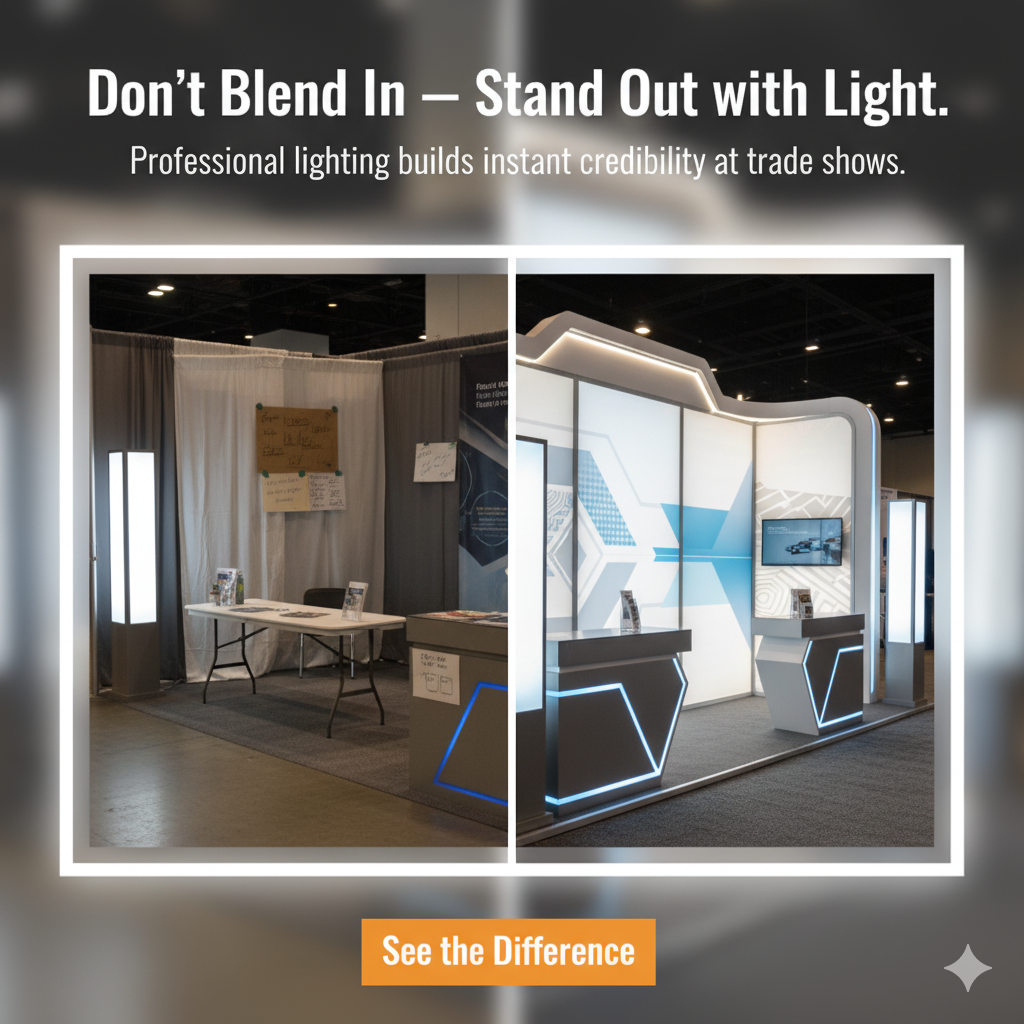
- Design and lighting matter as much as the product itself.
- Small companies can compete with larger ones by looking the part.
- Trade shows are about branding, not just lead generation.
Apple’s example shows that your booth is often the first—and lasting—impression of your brand.
The Role of Custom Light Boxes in Trade Shows
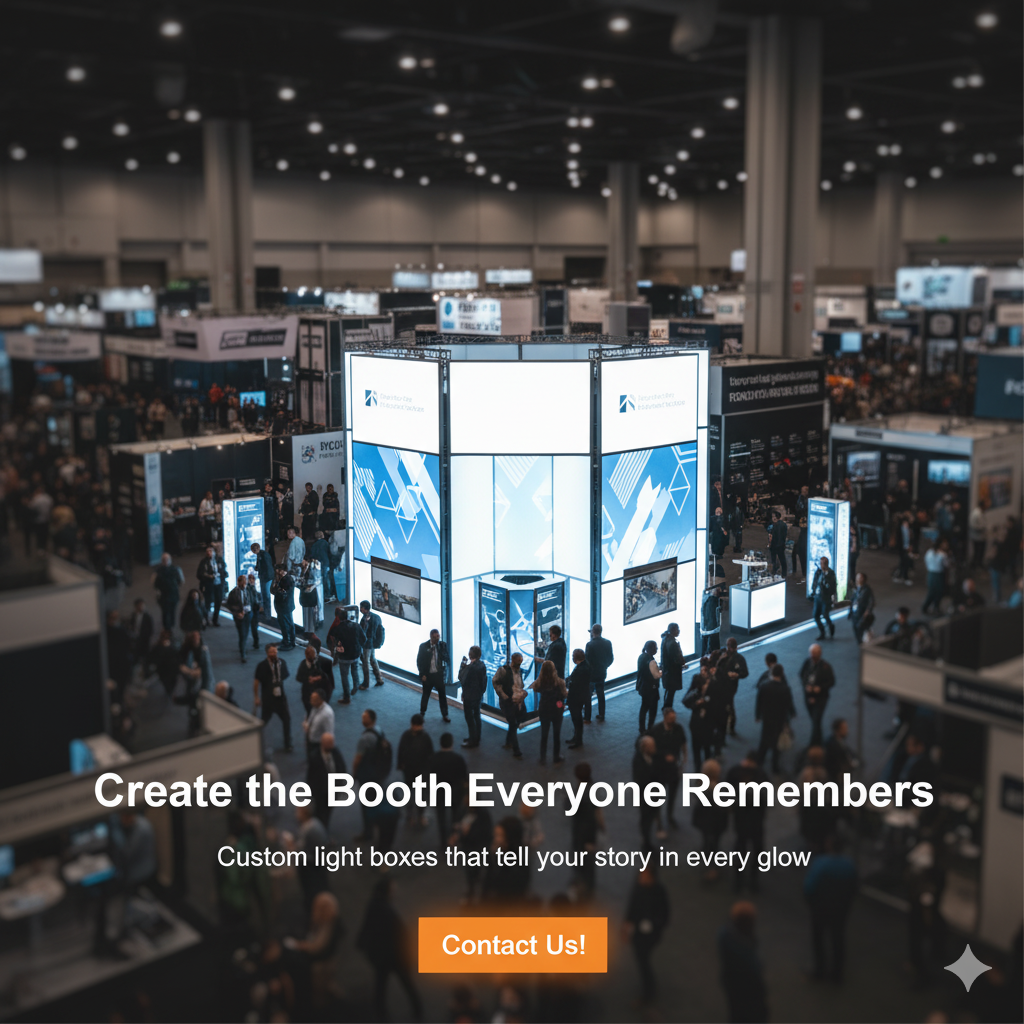
Custom light boxes are one of the most effective ways to make trade show booths visually pop. Illuminated display light boxes bring your brand graphics to life—logos, product visuals, or messages all become more noticeable. Their biggest strength is flexibility: you can adjust size, layout, lighting, and mobility to fit your exact needs.
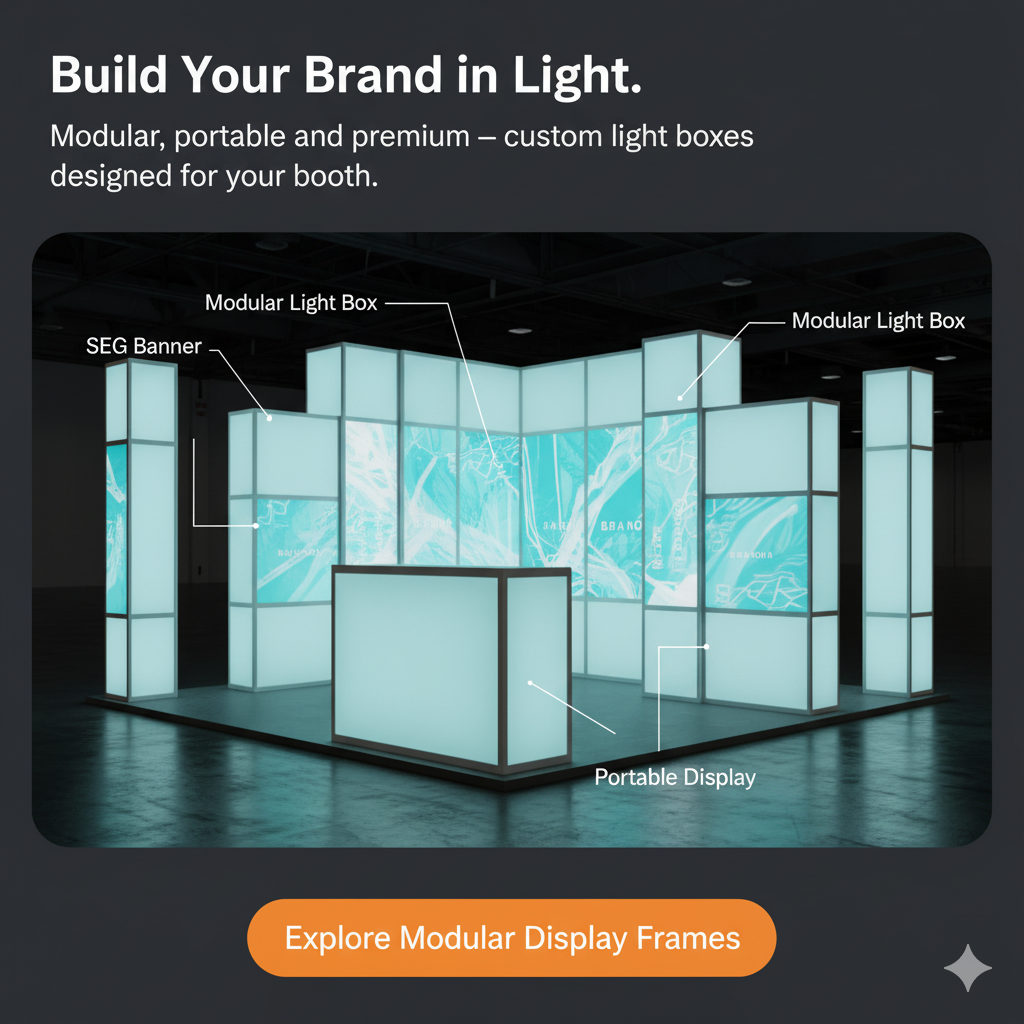
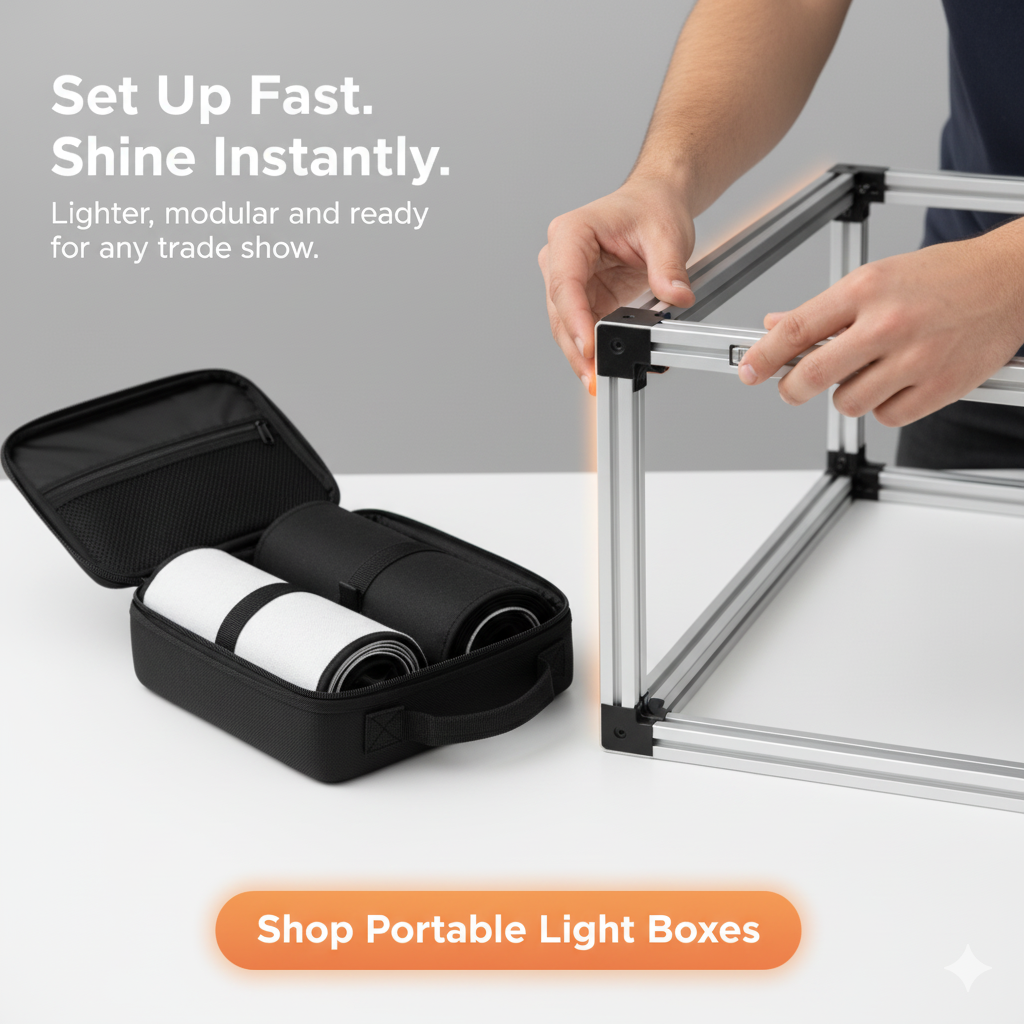
Modern exhibitors use a mix of modular light boxes, portable light boxes, and display LED light boxes to balance visibility and practicality. Modular light boxes can fit different layouts, while collapsible light boxes make transport and setup easier for teams attending multiple shows.
A popular choice is SEG light boxes (SEG Banners, SEG printing). High-resolution fabric is stretched over slim aluminum light box frames, creating a smooth, frameless look with bright LED backlighting. The effect is professional and modern, perfect for creating a premium image.
Why Businesses Prefer Custom Light Boxes
- Bright, even lighting draws attention from afar.
- Modular designs adapt to various booth sizes and layouts.
- Easy to assemble, take apart, and transport.
- Compatible with SEG printing for professional, modern graphics.
- Projects a high-end, premium brand image.
How to Choose the Right Custom Light Box
Picking the right custom light box is key to your modular trade show booth’s success. Here’s how to make the right choices:
1. Understand Your Booth Goals
Start with purpose. Are you launching a product and want it front and center, or is your goal general brand visibility? Your layout and lighting should reflect this.
If you’re showcasing multiple products, a mix of modular light boxes and LED light box banners can create zones—product displays, demo areas, or storytelling sections. For brand awareness, a large display LED light box can serve as a backdrop, making your logo visible from afar.
Think about reuse. If you attend multiple events each year, modular display frames can be rearranged. For venues with limited power, battery-operated modular mobile light boxes are convenient.
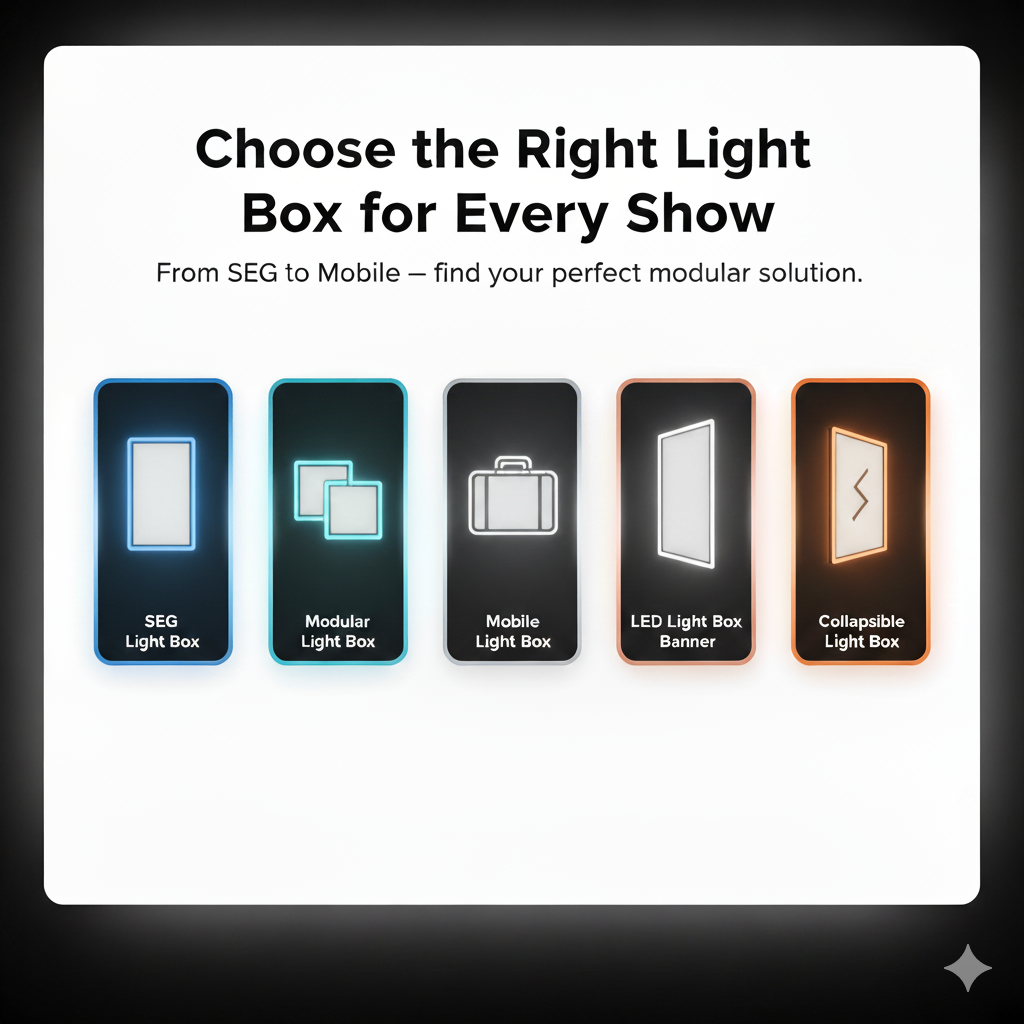
2. Pick the Right Type of Light Box
- SEG Light Box: Smooth edge-to-edge visuals with fabric stretched over aluminum frames. Ideal for a modern, premium look.
- Modular Light Box: Expandable or shrinkable design for booths of different sizes.
- Modular Mobile Light Box: Battery-powered, portable, perfect for quick setups.
- LED Light Box Banner: Vertical displays that stand out from across aisles.
- Collapsible Light Box: Lightweight and easy to carry, ideal for small teams or frequent travelers.
3. Choose the Right Lighting
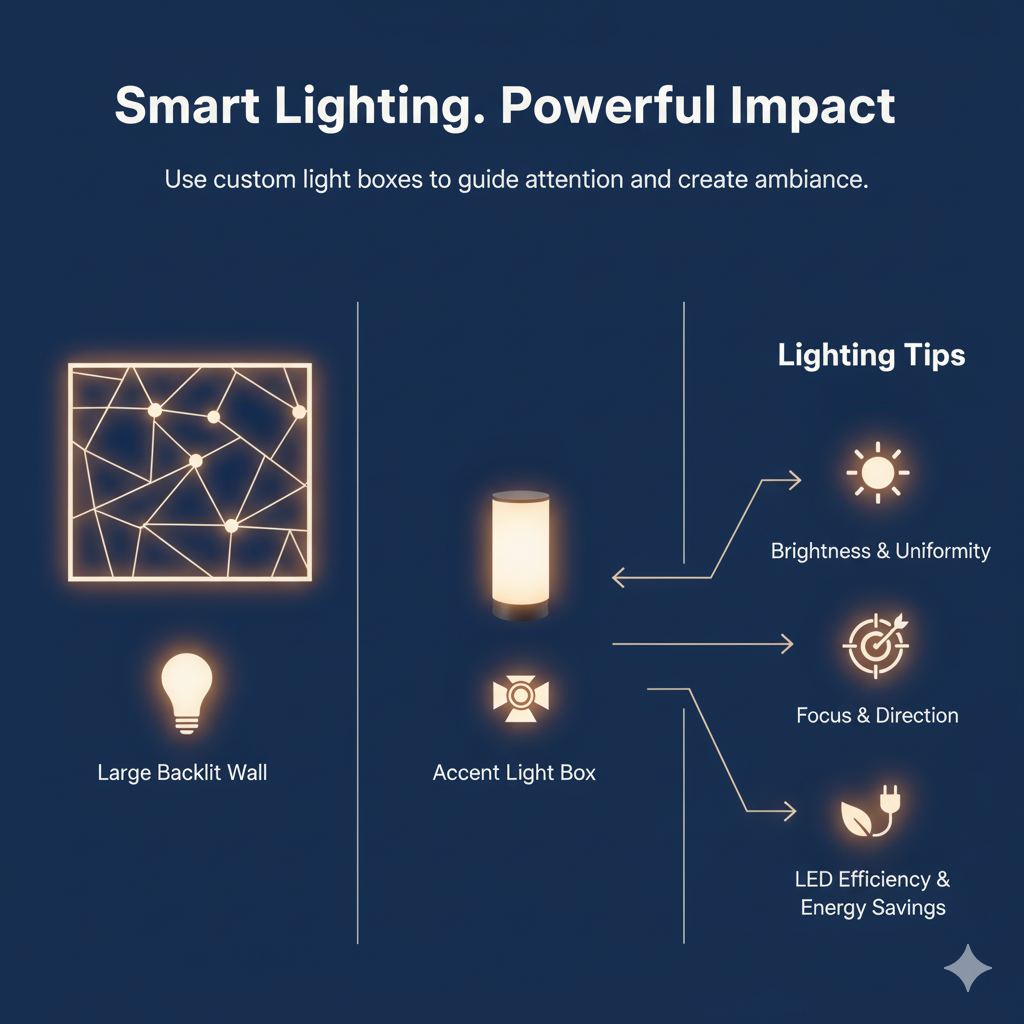
LED backlighting is best for even brightness, energy efficiency, and long life. Avoid fluorescent tubes—they are less efficient, uneven, and outdated.
4. Focus on Materials and Frames
Aluminum light box frames are strong but lightweight. Pair them with SEG fabric graphics for a wrinkle-free, professional look. The result is clean visuals that photograph well and impress visitors.
5. Prioritize Portability and Setup
Modular mobile light boxes save time on assembly and wiring. For example, the Mobile Light Box 600×250 – 20′ x 8.2′ and Mobile Light Box 300×250 – 9.84′ x 8.2′ are tool-free, and quick to install without losing quality. As an example the 600×250 can easily be reduced in width by removing middle sections allowing for the same frame to be used at different venues.
Best Practices for Using Custom Light Boxes
- 1. Keep messaging clear. One main visual or headline per wall ensures visitors grasp your message instantly.
- 2. Combine large backlit walls with smaller accent light boxes. Large walls attract attention; smaller light boxes highlight products or messages, keeping your booth dynamic.
- 3. Use modular systems for flexibility. Rearrange modular light boxes for different layouts or themes to maximize your investment.
Things to Do When Using Custom Light Boxes
- 1. Right Size and Layout: Map visitor paths. Use modular light boxes or collapsible light boxes to adapt to booth dimensions.
- 2. Fabric Tension and Quality: Stretch SEG light boxes or SEG banners evenly. High-quality tension enhances color and readability from a distance.
- 3. Optimize Lighting: Position LEDs evenly, avoid hotspots or shadows. Strategically place LED light box banners and display LED light boxes to guide visitors.
- 4. Plan for Power: Check outlets, voltage, and wattage. Battery-powered modular mobile light boxes are handy for flexible setups.
- 5. Cable Management: Keep wires hidden with clips, covers, or underfloor routing. Clean setups reflect professionalism.
- 6. Logistics and Storage: Label modular display frames and graphics for easy assembly. Keep protective cases and spare parts ready.
Make a Lasting Impression at Trade Shows
By choosing the right type, lighting, and layout, and combining modular, portable, and SEG light boxes, your booth can attract attention, communicate your brand story, and leave visitors remembering your products long after the event ends. Investing in quality modular display frames and planning ahead ensures your setup is professional, flexible, and impactful at every trade show.
FAQs
