[vc_row][vc_column][vc_column_text]In the realm of dynamic marketing and brand promotion, trade shows are crucial occasions where businesses directly engage with their target audience, forge connections with industry peers, and showcase their latest offerings. At the core of these events lie trade show displays – dynamic tools that companies utilize to craft an engaging and visually captivating presence.
But what exactly are trade show displays, and how do they shape the landscape of successful exhibitions? This article embarks on a journey to uncover the essence of trade show displays, unraveling the secrets that underpin their efficacy in seizing attention and fostering unforgettable brand encounters.
Unveiling the Essence of Trade Show Displays
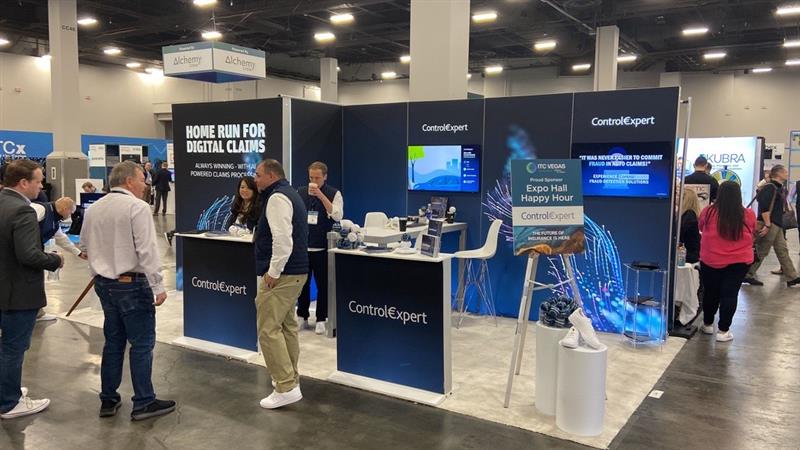
Trade show displays serve as specialized tools that companies deploy to present their products, services, and brand identity in trade shows, conventions, and exhibitions. These displays vary from modest tabletop setups to elaborate, custom-designed booths sprawling across hundreds of square feet. Regardless of scale, their primary objective remains consistent: to fashion a visually stimulating and informative environment that magnetizes visitors and effectively communicates the brand’s essence.
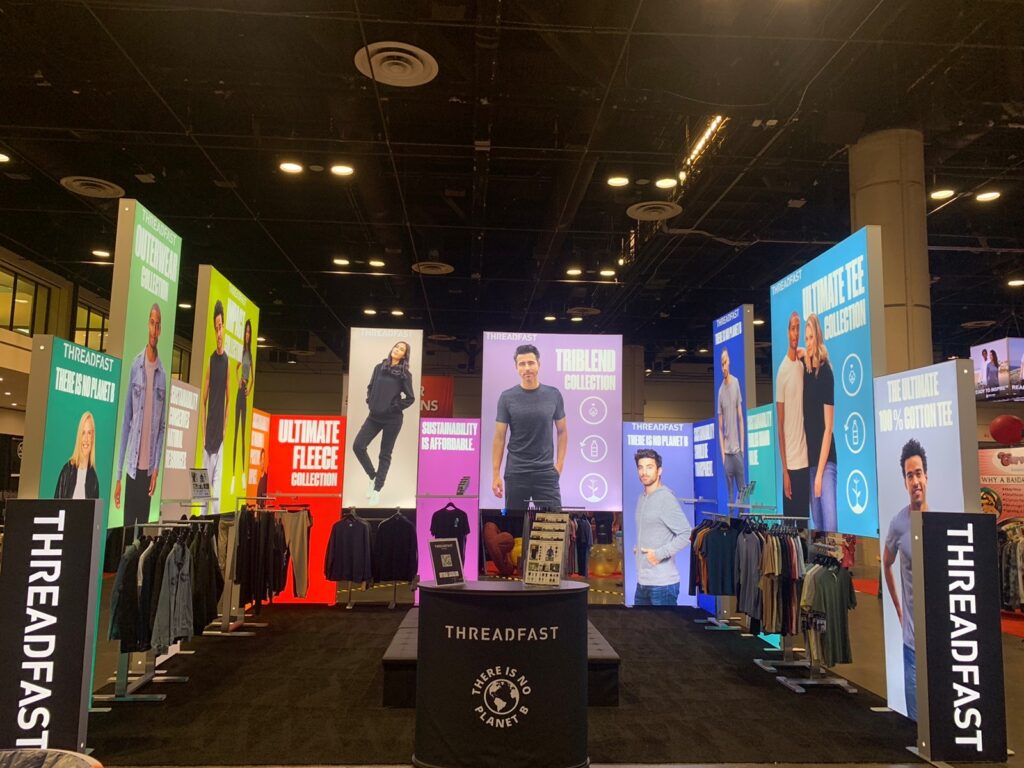
10×20 Booth with Storage and Counters
Decoding the Components
Understanding trade show displays involves dissecting their components. A typical display may feature banners, signage, product demonstrations, digital screens, and interactive elements designed to tantalize the senses and draw attendees into the booth. The selection of components often mirrors the brand’s objectives for the event, whether it be launching a new product, nurturing leads, or amplifying brand recognition.
Customization and Ingenuity
A key ingredient in the recipe for trade show display success lies in customization and ingenuity. Businesses tailor their displays to reflect their distinct brand identity, values, and marketing objectives. This customization spans from choosing specific colors and graphics to integrating cutting-edge technologies like virtual reality or touch screens for immersive experiences. The more inventive and aligned with the brand’s narrative the display is, the greater its potential to shine amidst a crowded expo hall.
The Evolution of Technology
In exploring the essence of trade show displays, one cannot overlook the evolution of technology. Modern displays seamlessly incorporate digital elements, such as LED screens for captivating video presentations, QR codes for effortless access to digital content, and social media integration to extend the display’s reach beyond the physical event. Technology elevates the visual allure of the display while imbuing it with interactivity to enrich the visitor experience.
The Vitality of Engagement
Ultimately, the triumph of trade show displays hinges on their capacity to engage visitors. Effective displays ensnare the gaze and beckon interaction, dialogue, and connection. Whether through live demonstrations, hands-on product trials, or compelling storytelling, premier displays orchestrate an immersive journey that leaves an indelible mark on attendees.
Crafting Experiences that Resonate
What are trade show displays if not the tangible embodiment of a brand’s narrative, meticulously crafted to enthrall and captivate? They stand as indispensable tools in the arsenal of marketing strategies, furnishing a unique opportunity to breathe life into brands within a competitive and bustling milieu. By prioritizing customization, ingenuity, and visitor engagement, companies can unlock the secrets to exhibition success, transforming their trade show presence into a potent catalyst for business expansion and brand allegiance.
Mobile Light Box’s frames are designed to facilitate memorable client experiences, setting your brand apart from the competition. Contact us at sales@mobilelightbox.us or see our pre-fab Booth kits on our website: Booth Kits[/vc_column_text][/vc_column][/vc_row]
Essential cookies enable basic functions and are necessary for the proper function of the website.
Name
Description
Duration
Cookie Preferences
This cookie is used to store the user's cookie consent preferences.
30 days
Google reCAPTCHA helps protect websites from spam and abuse by verifying user interactions through challenges.
Name
Description
Duration
_GRECAPTCHA
Google reCAPTCHA sets a necessary cookie (_GRECAPTCHA) when executed for the purpose of providing its risk analysis.
179 days
Google Tag Manager simplifies the management of marketing tags on your website without code changes.
Name
Description
Duration
cookiePreferences
Registers cookie preferences of a user
2 years
td
Registers statistical data on users' behaviour on the website. Used for internal analytics by the website operator.
session
These cookies are used for managing login functionality on this website.
Name
Description
Duration
wordpress_logged_in
Used to store logged-in users.
Persistent
wordpress_sec
Used to track the user across multiple sessions.
15 days
wordpress_test_cookie
Used to determine if cookies are enabled.
Session
Statistics cookies collect information anonymously. This information helps us understand how visitors use our website.
SourceBuster is used by WooCommerce for order attribution based on user source.
Name
Description
Duration
sbjs_session
The number of page views in this session and the current page path
30 minutes
sbjs_udata
Information about the visitor’s user agent, such as IP, the browser, and the device type
session
sbjs_first
Traffic origin information for the visitor’s first visit to your store (only applicable if the visitor returns before the session expires)
session
sbjs_current
Traffic origin information for the visitor’s current visit to your store
session
sbjs_first_add
Timestamp, referring URL, and entry page for your visitor’s first visit to your store (only applicable if the visitor returns before the session expires)
session
sbjs_current_add
Timestamp, referring URL, and entry page for your visitor’s current visit to your store
session
sbjs_migrations
Technical data to help with migrations between different versions of the tracking feature
session
Marketing cookies are used to follow visitors to websites. The intention is to show ads that are relevant and engaging to the individual user.
Facebook Pixel is a web analytics service that tracks and reports website traffic.

 Mobile Light Box’s frames are designed to facilitate memorable client experiences, setting your brand apart from the competition. Contact us at sales@mobilelightbox.us or see our pre-fab Booth kits on our website: Booth Kits[/vc_column_text][/vc_column][/vc_row]
