
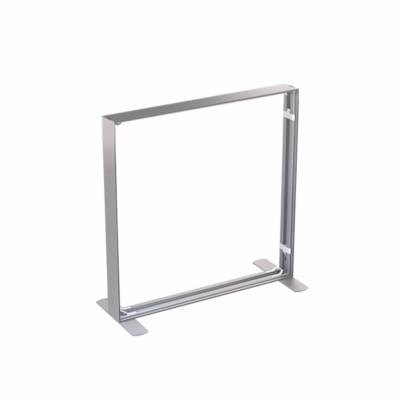
 MLB 100x100 – Double-Sided LED Backlit Display | 3.3ft x 3.3ft
 What if your largest event expense was actually your most versatile marketing asset? Most exhibitors accept high drayage fees and multi-hour setups as an unavoidable cost of doing business, but this approach drains your budget and your team’s energy. You don’t have to settle for dated, rigid displays that only fit one specific floor plan. Maximizing the ROI of modular trade show booths means moving away from heavy, single-use builds toward scalable, high-impact systems that work for you.
It’s time to embrace a more efficient way to exhibit. Discover how modular exhibition systems reduce logistical stress and cut event costs by 25% through lightweight, tool-free hardware. We’ll show you how one kit can seamlessly transition between 10×10 and 10×20 spaces, allowing for solo deployment in under 20 minutes. Learn how to combine high-end aesthetics with extreme portability to elevate your brand visibility and professional image at every popup event.
Key Takeaways
- Learn how a single modular hardware investment adapts to any floor plan, from 10×10 to 10×20, across your entire 2026 event schedule.
- Discover why backlit SEG light boxes provide a psychological edge by attracting more eyes in crowded event halls compared to traditional banners.
- Maximize the ROI of modular trade show booths by eliminating the need for professional install crews and high drayage fees through lightweight, tool-free assembly.
- Adopt a sustainable event strategy by switching from disposable, single-use custom builds to a reusable hardware ecosystem that reduces waste and long-term costs.
Defining Modular Exhibition Systems for the Popup Era
In the fast-paced 2026 event environment, adaptability isn’t just a luxury; it’s a financial strategy. Modular exhibition systems represent the logistical multi-tool for modern brands. Unlike static, one-off builds, these systems rely on the principles of modular design. This engineering approach subdivides a display into standardized, interchangeable frame components. These parts connect to create custom configurations from a set of base hardware. It allows your team to pivot from a small retail activation to a full-scale trade show presence without purchasing entirely new equipment. This flexibility is the foundation for a high ROI of modular trade show booths, as it transforms your display budget from a recurring expense into a long-term asset.
Precision aluminum extrusions form the backbone of these systems. These lightweight frames provide the structural integrity required for heavy-traffic popup environments while remaining portable enough for solo deployment. While traditional timber builds require professional crews and hours of labor, Mobile Light Box kits utilize tool-free connectors. You get the stability of a permanent installation with the agility of a mobile unit. It’s a sophisticated solution for brands that value both high-quality aesthetics and logistical ease.
Modular vs. Portable: Understanding the Difference
Many professionals confuse portable displays with true modular systems. Portable units, like basic pull-up banners, offer mobility but often lack the visual impact and structural presence needed to compete with established brands. Modular systems bridge this gap. They offer the premium aesthetics of a custom build while maintaining the ease of transport found in smaller units. This balance is critical for maximizing the ROI of modular trade show booths, as it allows for a high-impact presence without the recurring costs of shipping heavy, custom-fabricated crates. Because modular frames are load-bearing and stable, you can integrate shelving or monitors that would cause a simple banner to topple.
The Rise of SEG Fabric Technology
To achieve a professional finish, modern modular systems utilize Silicone Edge Graphics (SEG). This is the gold standard for 2026 event displays. SEG technology involves a thin silicone strip sewn directly into the edges of a high-tension fabric graphic. This strip tucks into a recessed groove on the aluminum frame, creating a drum-tight finish. It eliminates the sagging and wrinkles common with traditional Velcro or sleeve-style graphics. Because the fabric stretches to the very edge of the hardware, it creates a frameless visual effect. This allows for seamless, large-scale branding that looks integrated rather than assembled.
Infinite Scalability: One System for Every Space Dimension
Think of your display hardware as a set of sophisticated building blocks. Standardized aluminum frames connect seamlessly to form expansive backwalls or standalone pillars. This modular philosophy ensures your 2026 event calendar remains manageable without the need for constant reinvestment. Instead of buying a new display for every specific venue requirement, you utilize a single hardware ecosystem that expands or contracts based on your needs. The logic is simple. Frames connect. Visuals expand. Your presence remains consistent.
The ROI of modular trade show booths becomes undeniable when you look at your warehouse floor. Traditional marketing often leads to a cluttered storage room full of one-off banners and space-specific frames that no longer fit current floor plans. Modular systems eliminate this waste. By leveraging a reusable kit of versatile parts, you reduce the need for multiple, redundant purchases. This streamlined approach allows you to allocate your budget toward high-quality graphics and lighting rather than basic structural hardware. You can explore our full range of modular components to see how these parts integrate into a cohesive strategy.
From Tabletop to 10×20 Layouts
Transitioning between different footprints shouldn’t require a logistics team. A standard 10×10 kit serves as your foundation. When you secure a larger 10×20 space at a major industry trade show, you simply add additional frames to your existing base. This scalability ensures brand consistency regardless of the venue size. If the event is more intimate, like a retail popup or a corporate lobby, you can break that same backwall down into smaller, freestanding units. This flexibility is supported by academic research on sustainable event marketing, which highlights how reusable, reconfigurable systems are vital for reducing the environmental footprint of professional events.
In these multi-use environments, integrating functional amenities can further enhance the visitor experience; for example, you can discover ReadyLockers to see how universal smart locker platforms are being utilized across various property types to provide secure, tech-forward storage.
Integrating Towers and Counters
Scalability isn’t just about width; it’s about functionality and verticality. You can easily add vertical impact to your booth by incorporating light box towers. These units provide 360-degree visibility, ensuring your brand is seen from across the event hall. To create a functional focal point for lead generation, add an illuminated reception desk to your existing modular wall. These components use the same tool-free connectors as your main display. You don’t need a specialized crew to add monitor mounts or shelving to the aluminum extrusions. Everything is engineered to work together, allowing you to customize your layout on the fly.
The Illuminated Advantage: Why Backlit Modular Systems Win
Human eyes are biologically programmed to seek out light sources. In the vast, often dimly lit expanse of a convention center, an illuminated display acts as a natural beacon. This “Psychological Edge” is a primary factor in the ROI of modular trade show booths. While your competitors rely on overhead hall lighting or awkward clip-on spotlights, an internally lit system commands attention without effort. It creates an inviting atmosphere that draws visitors toward your brand, effectively increasing your booth’s “pull power” in a crowded environment. By positioning your brand as a source of light, you stand out before a single word of your copy is read.
The difference between backlit SEG graphics and traditional front-lit banners is night and day. Front-lighting often creates harsh glares, unsightly shadows, and inconsistent hot spots that distract from your messaging. In contrast, our Modular Mobile Light Box systems utilize integrated LED technology to produce a uniform, professional glow. These LEDs are engineered to sit flush within the frame, preventing shadows and ensuring your brand remains the focal point. This isn’t just an aesthetic choice; it’s a strategic move to ensure your professional presence remains high-impact from every angle. You eliminate the visual clutter of external wires and bulky lamps, resulting in a sleek, modern finish.
The Power of Backlit SEG Graphics
Internal illumination does more than just attract eyes; it enhances the clarity of your marketing assets. Backlighting makes brand colors appear more vibrant and saturated, which is essential for maintaining brand integrity. LED light boxes significantly increase contrast ratios, ensuring that bold text and intricate graphics remain sharp and readable even from across a crowded hall. This clarity creates a “premium brand” perception, signaling to attendees that your business values quality and modern innovation. It transforms a simple graphic into a high-definition brand experience that leaves a lasting impression on potential leads.
Battery-Powered Freedom for Off-Grid Popups
One of the most significant logistical hurdles at any event is the “electrical drop” fee. These costs can be unpredictable and high, especially at outdoor venues or hallway popups where power is scarce. Our battery-powered light boxes solve this pain point by offering true wireless deployment. You can position your display exactly where traffic is highest without being tethered to a wall outlet or tripping over extension cords. These units are designed to provide consistent, bright illumination for the duration of a standard show day. It’s the ultimate solution for agile brands that need to maintain a professional glow in off-grid environments without sacrificing visual impact.
Logistical Efficiency: Tool-Free Setup and Solo Deployment
Labor costs are often the invisible killer of an event budget. Traditional custom builds require specialized freight crews and expensive union labor for assembly; these expenses can easily match the price of the hardware itself. The ROI of modular trade show booths is significantly higher because it removes these budget line items entirely. By choosing a system engineered for DIY assembly, you reclaim your capital before the show floor even opens. This “Solo Deployment” capability means you don’t have to wait for a service crew to arrive. You take control of your schedule. Weight is the enemy of your budget. Our systems utilize a “Logistical Multi-Tool” approach where every component serves a purpose. For specific efficiency tips on organizing your arrival, refer to The Ultimate Trade Show Booth Setup Guide.
The 15-Minute Setup Blueprint
Assembly shouldn’t feel like a construction project. Our modular units use a tool-free, click-to-lock logic that simplifies the entire process. One person can easily manage the assembly of 10ft light boxes without needing ladders or heavy machinery. Start with the base, click the vertical extrusions into place, and secure the top rail. The final step involves the SEG fabric installation. Tuck the silicone edge into the frame groove for a wrinkle-free, professional finish. It’s a clean, quiet process. You focus on your marketing strategy rather than hardware troubleshooting. Click. Lock. Done.
Compact Shipping: Reducing Freight and Drayage
Heavy timber crates are a liability in the 2026 logistics market. Verified drayage fees currently range between $90 and $135 per 100 pounds, making total weight a primary cost driver. Aluminum frame systems are 35% to 55% lighter than traditional timber builds, which directly slashes your shipping and handling expenses. These kits are designed to break down into manageable sections that fit into wheeled shipping cases. This portability allows for easy transport through venue halls or even in the back of a standard SUV. By avoiding “oversized” freight charges and reducing your total weight, you protect your margins and simplify your return logistics.
Sustainability and ROI: A Long-Term Brand Asset
Sustainability in the event industry is no longer just about corporate responsibility; it’s a matter of profitability. Traditional timber booths are often treated as disposable assets, with nearly half of all expo materials ending up in landfills after only four shows. Modular systems disrupt this cycle. By moving to a reusable hardware ecosystem, you support a “Zero Waste” event strategy while protecting your marketing budget. These systems can reduce waste by up to 70% compared to single-use custom builds. The financial logic is clear. You amortize your hardware cost over five or more years of events rather than writing off the entire expense after a single weekend. This long-term utility is a primary driver for the ROI of modular trade show booths. To ensure your system remains in peak condition for the next decade, you can easily source spare parts to replace high-wear components without discarding the entire frame.
Interchangeable Graphics for Multi-Brand Utility
A single hardware investment can support multiple product lines or sub-brands. You don’t need to purchase a new display for every launch. Instead, you simply perform a high-tension banner swap. This allows one frame system to serve three different product launches or co-marketing partnerships with minimal additional cost. It’s a rapid rebranding capability that allows your team to pivot between different messaging strategies in minutes. Updating graphics is significantly more cost-efficient than purchasing new structural hardware for every rebrand. You maintain a consistent, high-impact presence while keeping your overhead low.
Buy vs. Rent: Choosing the Right ROI Path
Deciding whether to purchase or rent depends on your 2026 event frequency. Industry data suggests the “3-show rule” as a reliable benchmark. If you plan to exhibit at three or more events, purchasing a modular system typically outperforms renting in terms of total cost of ownership. Over a three-year period with multiple shows, a portable modular booth can save between $30,000 and $50,000 in logistics costs compared to heavy custom builds. Owning your hardware also ensures you have a “ready-to-go” kit for last-minute popup opportunities that your competitors might miss. For a deeper breakdown of these financial paths, refer to our Buy vs Rent Trade Show Booth Guide to determine which strategy best fits your current growth trajectory.
Elevate Your Event Strategy for 2026
Modular exhibition systems transform your event presence from a logistical burden into a high-performance marketing asset. Use tool-free assembly and lightweight aluminum frames to eliminate expensive install crews. These systems don’t just sit in storage. They adapt to every 10×10 or 10×20 space on your calendar. You gain the flexibility to pivot between retail popups and major industry shows with a single hardware investment.
Maximizing the ROI of modular trade show booths requires a shift toward reusable, high-impact hardware. Combine the professional glow of industry-leading backlit SEG technology with the ease of solo deployment. It’s a modern solution for brands that value high-quality aesthetics without the high-stress logistics of traditional custom builds. Reclaim your budget and your time. Choose hardware that works as hard as your team does.
Take control of your brand’s visibility and start planning your most efficient event season yet.
Frequently Asked Questions
What makes a modular exhibition system different from a pop-up display?
A modular exhibition system uses standardized aluminum frames and Silicone Edge Graphics (SEG) to create a rigid, high-end structure. Pop-up displays typically rely on accordion-style frames and magnetic panels which lack the same durability and professional finish. Modular units offer superior scalability, allowing you to reconfigure parts into different sizes. This flexibility is a key factor in the long-term ROI of modular trade show booths compared to single-use alternatives.
Do I really need tools to assemble a modular light box booth?
No, you don’t need any tools to assemble our modular light box systems. Every component uses hand-tightened connectors or click-to-lock technology for a completely tool-free experience. This design ensures that anyone on your team can handle the setup without specialized technical skills. It also eliminates the risk of losing small hardware or damaging the frame with heavy equipment during a high-pressure event move-in.
Can one person set up a 10×20 modular booth kit alone?
Yes, one person can set up a 10×20 modular booth kit alone. The system is engineered for solo deployment by breaking down into lightweight, manageable sections. Most 10ft units are assembled on the floor and then lifted into place by a single individual. This independent setup capability allows you to reclaim your marketing budget by removing the need for professional installation crews or extra staff on-site.
Are modular exhibition systems compatible with different fabric graphics?
Modular exhibition systems are specifically designed for Silicone Edge Graphics (SEG). These high-tension fabric graphics feature a silicone strip that tucks into the frame’s recessed groove for a drum-tight finish. You can easily swap different graphics on the same hardware for various product launches or brand updates. This versatility ensures your display remains relevant across your entire event calendar without requiring a complete hardware reinvestment.
How do modular systems help reduce trade show drayage and shipping costs?
Modular systems reduce costs by using lightweight aluminum frames that are significantly lighter than traditional timber builds. Aluminum systems are often 35% to 55% lighter, which directly lowers freight and drayage fees calculated by weight. These kits also break down to fit into standard-sized shipping cases. This compact packing prevents “oversized” surcharges and allows for easy transport in a standard SUV rather than a dedicated freight truck.
Can I add illumination to a non-illuminated modular system later?
Adding illumination depends on the specific frame profile you choose. While some non-illuminated frames are too slim for internal LEDs, the modular nature of our systems allows you to integrate new backlit sections into your existing layout. You can combine freestanding LED light boxes with your current non-illuminated walls to create a hybrid display. This scalable approach helps improve the ROI of modular trade show booths as your budget grows.
What happens if a piece of my modular system gets damaged during transport?
If a component is damaged, you don’t have to replace the entire booth. We offer a full catalog of spare parts, including individual aluminum extrusions, connectors, and LED strips. This “repair rather than replace” philosophy extends the lifespan of your investment. You can simply order the specific part you need to restore your display to its original professional condition, ensuring your brand presence remains high-impact for years.
Are modular light boxes bright enough for outdoor popup events?
Yes, our modular light boxes use high-intensity LEDs designed to cut through ambient light, even in bright outdoor environments. For off-grid popups, battery-powered light boxes provide consistent illumination without the need for a dedicated power source. This portability ensures your brand remains visible and vibrant at street fairs, festivals, or hallway activations. The powerful glow maintains a high-end aesthetic regardless of the surrounding lighting conditions.
